How mould and biofilm quietly take over a bathroom
That darkening grout is not just old — it is a living film of mould and bacteria. On the humid Costa del Sol it spreads fast, and it is a health issue, not only a cosmetic one.
Grout is porous, and a bathroom is warm and wet — a perfect combination for mould, mildew and bacterial biofilm to take hold. What looks like grout that has simply “gone grey” is often a living layer that spreads along the joints, into silicone seals and behind fittings. On the Costa del Sol, where humidity stays high for much of the year, it establishes faster than most people expect.
It is not only unsightly. Bathroom mould releases spores that can aggravate asthma and allergies and trigger coughing, congestion and skin irritation, especially in a small, poorly ventilated room. Left long enough, it works into seals and plaster and becomes a repair job rather than a cleaning one.
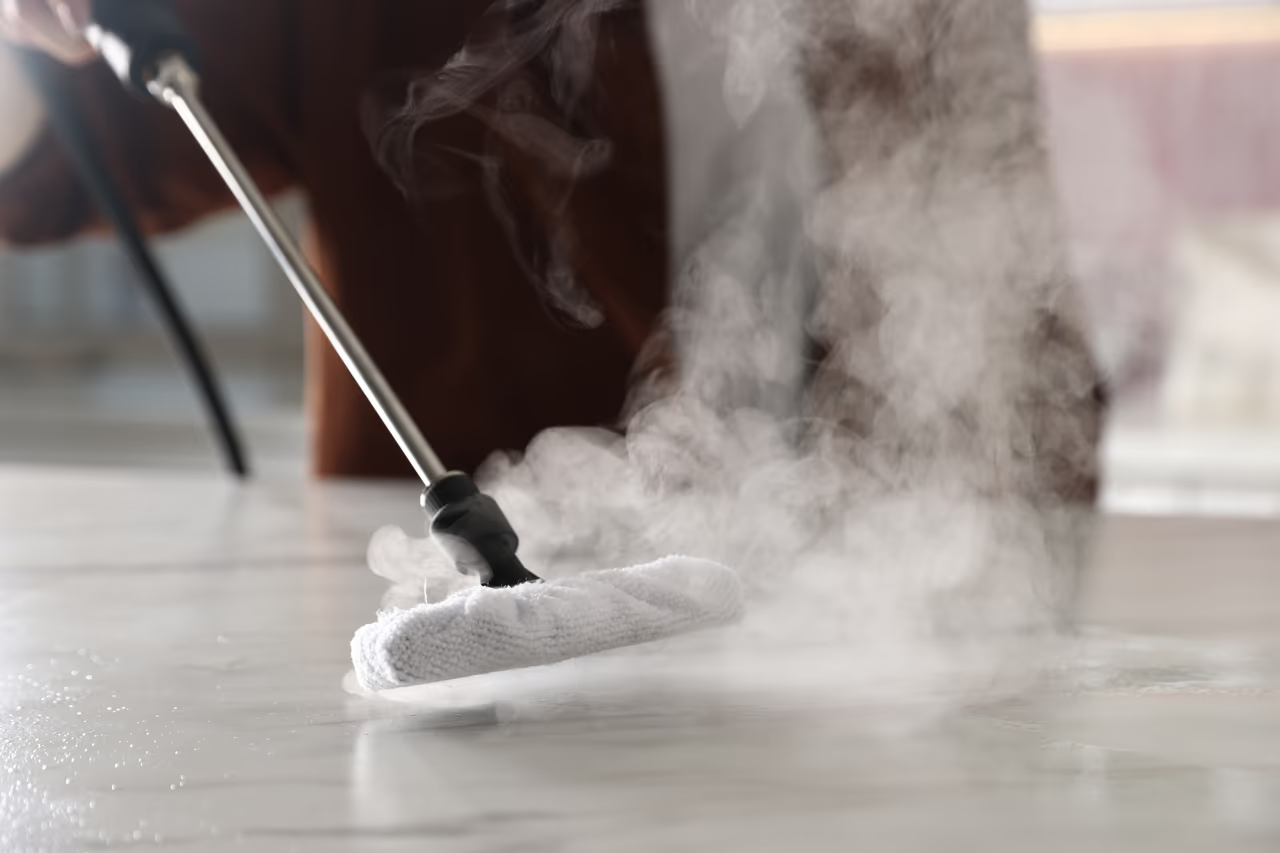
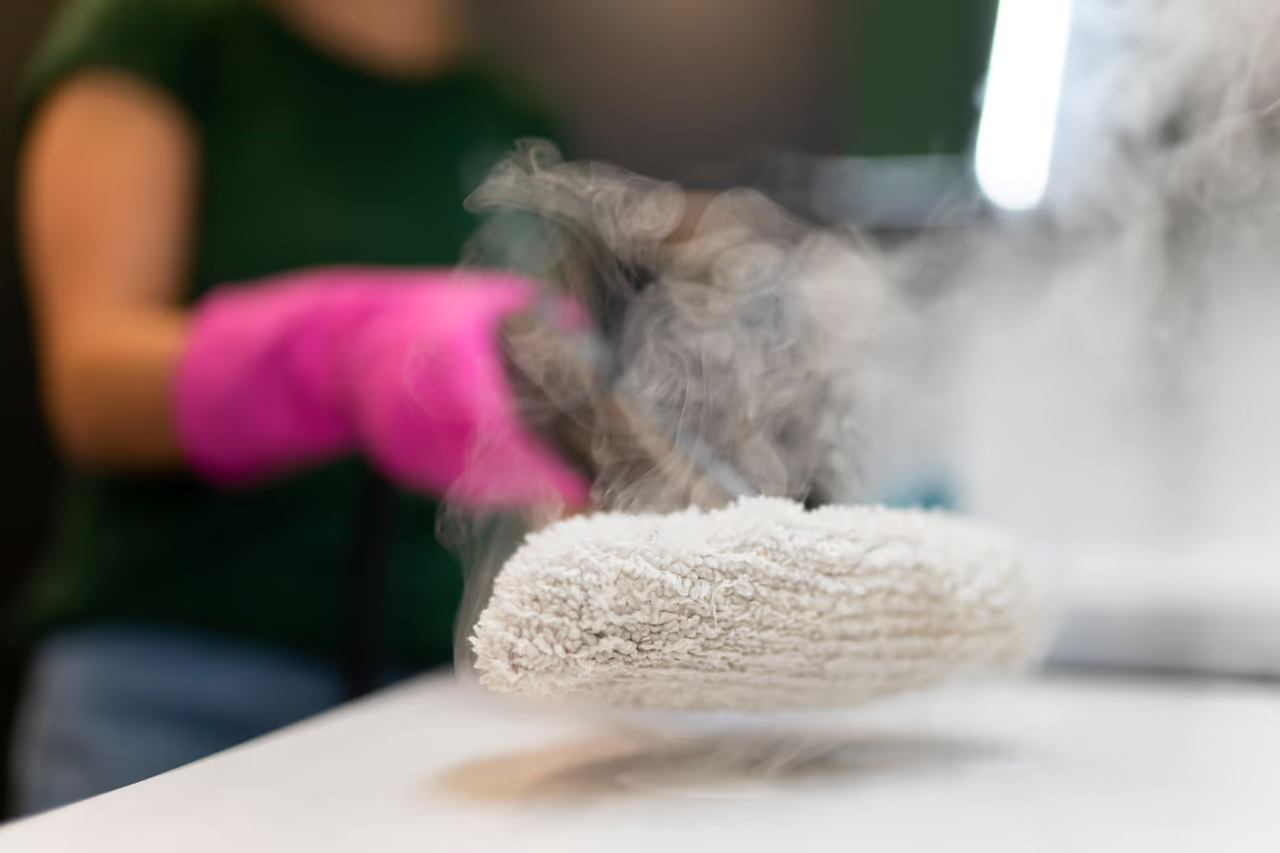
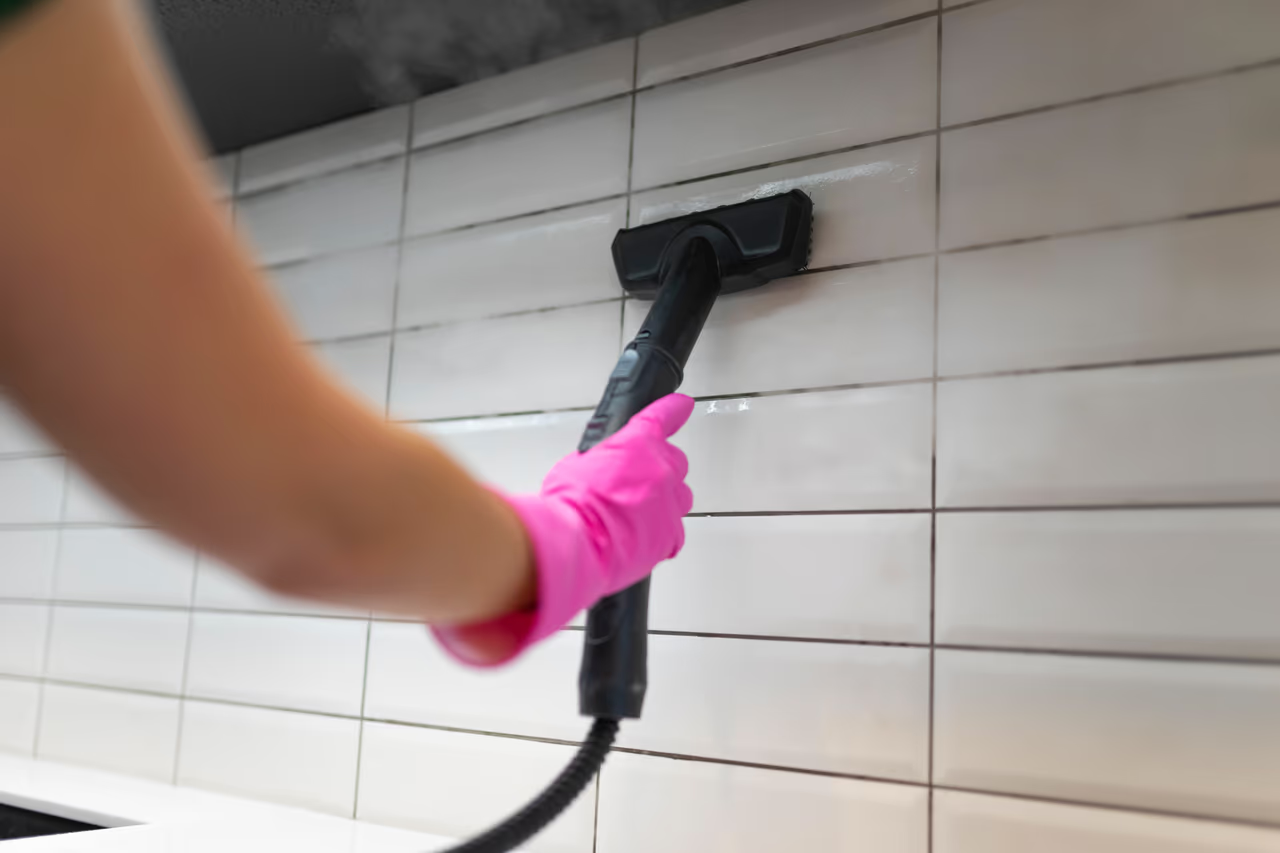
Bleach is the usual reflex, but it mostly lightens the surface stain while leaving the film — and the moisture it feeds on — in place, so it returns. Our tile and grout cleaning uses hot steam to lift the build-up out of the joints and sanitise the surface, and where the grout has darkened over years it usually brings back much of the original colour without harsh chemicals. A full bathroom deep clean tackles limescale, soap scum and mould across tiles, glass and fittings in one visit.
The fix is easier the earlier you catch it. If your grout is greying or the corners are spotting black, it is worth acting before it spreads into the seals. See what a bathroom or tile treatment costs, or request a free quote and we will assess honestly what can be restored.
Need this done properly?
Our network of independent cleaners covers the whole Costa del Sol. Get a free, no-obligation quote.
Get a free quote